Design-Build Remodeling Process: What Happens
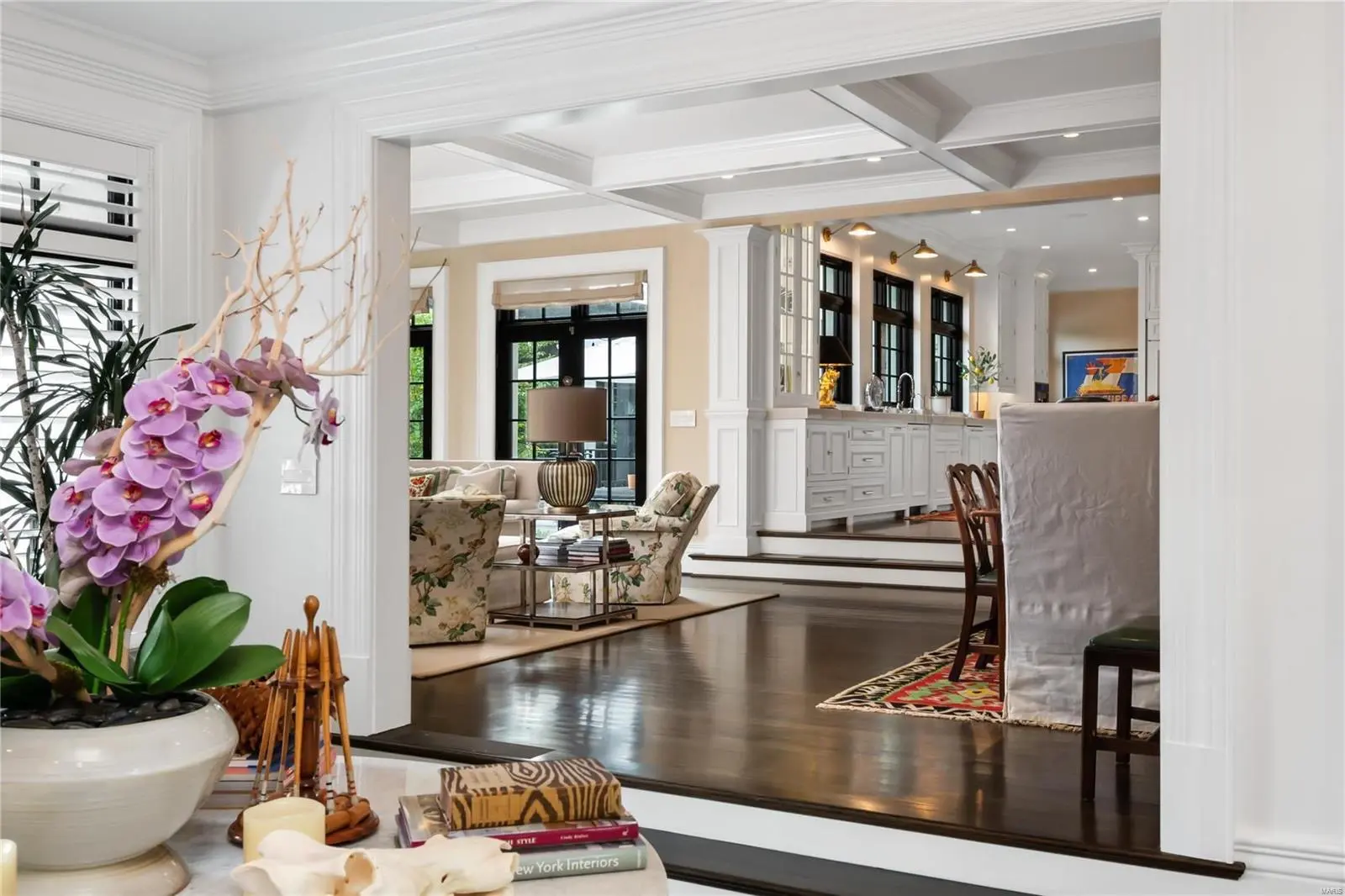
For many homeowners, remodeling starts with a simple goal: update a kitchen, add space, or improve how a home functions. But what often causes stress isn’t the construction itself; it’s the process. Who do you hire first? How do you stay on budget? What happens when plans change? This is where the design-build remodeling process stands apart. Instead of separating design and construction into different phases with different teams, design-build brings everything under one roof, creating a more streamlined, coordinated experience from start to finish.
If you’re considering a remodel, understanding how this process works can help you avoid common pitfalls and move forward with confidence.
What Is the Design-Build Remodeling Process?
At its core, design-build remodeling is a single, integrated approach where one team handles both the design and construction of your project.
Rather than hiring a designer first and a contractor later, you work with a unified team from day one. This allows decisions about layout, materials, cost, and construction to happen together—not in isolation.
The result is a process that is:
- More efficient
- More collaborative
- More predictable in cost and timeline
Phase 1: Initial Consultation and Project Discovery
Every design-build project begins with a conversation—but not a surface-level one.
This phase is about understanding:
- How you currently use your space
- What isn’t working
- What you want to improve
- Your long-term goals
- Budget expectations
Whether you’re planning a kitchen remodel, finishing a basement, adding a home office, or updating a commercial space, this step sets the foundation for everything that follows.
A strong discovery phase helps prevent misalignment later and ensures your remodel is built around how you actually live.
Phase 2: Concept Development and Early Planning
Once goals are clear, the project moves into early design.
This isn’t about final drawings yet, it’s about exploring possibilities:
- Layout options
- Space reconfiguration
- Functional improvements
- Initial design direction
The key difference in the design-build remodeling process is that construction expertise is already part of the conversation.
That means ideas are evaluated not just for how they look—but for how they’ll actually be built.
Phase 3: Budget Alignment and Scope Definition
One of the biggest advantages of design-build is real-time cost awareness.
Instead of designing first and pricing later (which often leads to surprises), budget and design evolve together.
During this phase:
- Project scope is clearly defined
- Material selections begin
- Cost ranges are established and refined
- Adjustments are made before construction begins
This reduces the risk of major changes later and keeps your project aligned with your financial expectations.
Phase 4: Design Refinement and Detailed Planning
With the direction and budget aligned, the design becomes more detailed.
This includes:
- Final layouts
- Material selections (cabinetry, finishes, fixtures)
- Structural considerations
- Custom elements like built-ins or carpentry
- Electrical and plumbing planning
Because design and construction teams are working together, details are resolved early before they become problems in the field.
This phase is where your project starts to feel real, not just conceptual.
Phase 5: Pre-Construction Preparation
Before any demolition begins, the project is carefully prepared.
This step often includes:
- Final scheduling
- Ordering materials
- Coordinating subcontractors
- Confirming timelines
- Preparing the job site
A well-managed pre-construction phase minimizes delays and keeps the build phase running smoothly.
This is also when expectations are clearly set, so you know what to expect once work begins.
Phase 6: Construction and Execution
This is the most visible phase, but in a strong design-build process, it’s not where decisions are made. It’s where decisions are executed.
Depending on your project, this may include:
- Demolition
- Structural changes
- Framing and layout adjustments
- Electrical and plumbing updates
- Installation of cabinetry, flooring, and finishes
- Custom carpentry work
Because everything has been planned in advance, construction tends to be:
- More efficient
- More organized
- Less reactive
Communication remains ongoing, but major surprises are far less common.
Phase 7: Final Walkthrough and Project Completion
As the project wraps up, the focus shifts to quality and detail.
During the final walkthrough:
- Work is reviewed thoroughly
- Any final adjustments are identified
- Systems and features are checked
- The space is prepared for use
This ensures the finished result matches both the design intent and your expectations.
Why Homeowners Choose Design-Build Remodeling
While both traditional contracting and design-build can produce results, the experience is very different.
Homeowners often choose design-build because it offers:
1. A Simpler Process
One team, one point of contact, and a clear path from start to finish.
2. Better Budget Control
Costs are addressed early, reducing surprises and major mid-project changes.
3. Stronger Communication
Designers and builders work together, not separately.
4. More Realistic Designs
Plans are created with construction in mind from the beginning.
5. Reduced Stress
Fewer moving parts means fewer opportunities for confusion or delays.
Where Design-Build Works Best
The design-build remodeling process is especially effective for:
- Kitchen and bathroom remodels
- Home additions
- Whole-home renovations
- Basement finishing
- Custom carpentry projects
- Commercial build-outs
Any project that involves multiple decisions, trades, or custom elements benefits from early coordination.
What Makes a Design-Build Project Successful
The process itself is important, but execution matters just as much.
A successful design-build experience depends on:
- Clear communication
- Thoughtful planning
- Realistic expectations
- Skilled craftsmanship
- Attention to detail
When these elements come together, the process feels structured, not overwhelming.
A Better Way to Approach Remodeling
Remodeling doesn’t have to feel fragmented or unpredictable.
The design-build remodeling process creates a more connected experience, where design, budget, and construction all move in the same direction.
Instead of reacting to problems as they arise, the process is built to prevent them.
Ready to Start Your Remodeling Project?
If you’re planning a remodel and want a process that’s organized, transparent, and built around your goals, design-build may be the right approach.
Schedule a consultation to discuss your project and see how a design-build process can simplify your remodeling experience.
Recent Posts
Can You Convert an Attic Into a Primary Suite in St. Louis?
OCTOBER 13, 2026
Why Are There Gaps Between My Crown Molding and Ceiling?
SEPTEMBER 28, 2026
How to Match New Trim to Existing Woodwork in a St. Louis Home
SEPTEMBER 15, 2026
How to Update a Home Without Making It Feel Too Trendy
AUGUST 25, 2026
Basement Conversion Ideas for St. Louis Homes
AUGUST 19, 2026
Woodwork Repair vs Replacement – What Makes Sense?
JULY 27, 2026
Newsletter
Don't miss a thing!
Sign up to receive daily news