Why Do Interior Doors Stop Closing in Older St. Louis Homes?
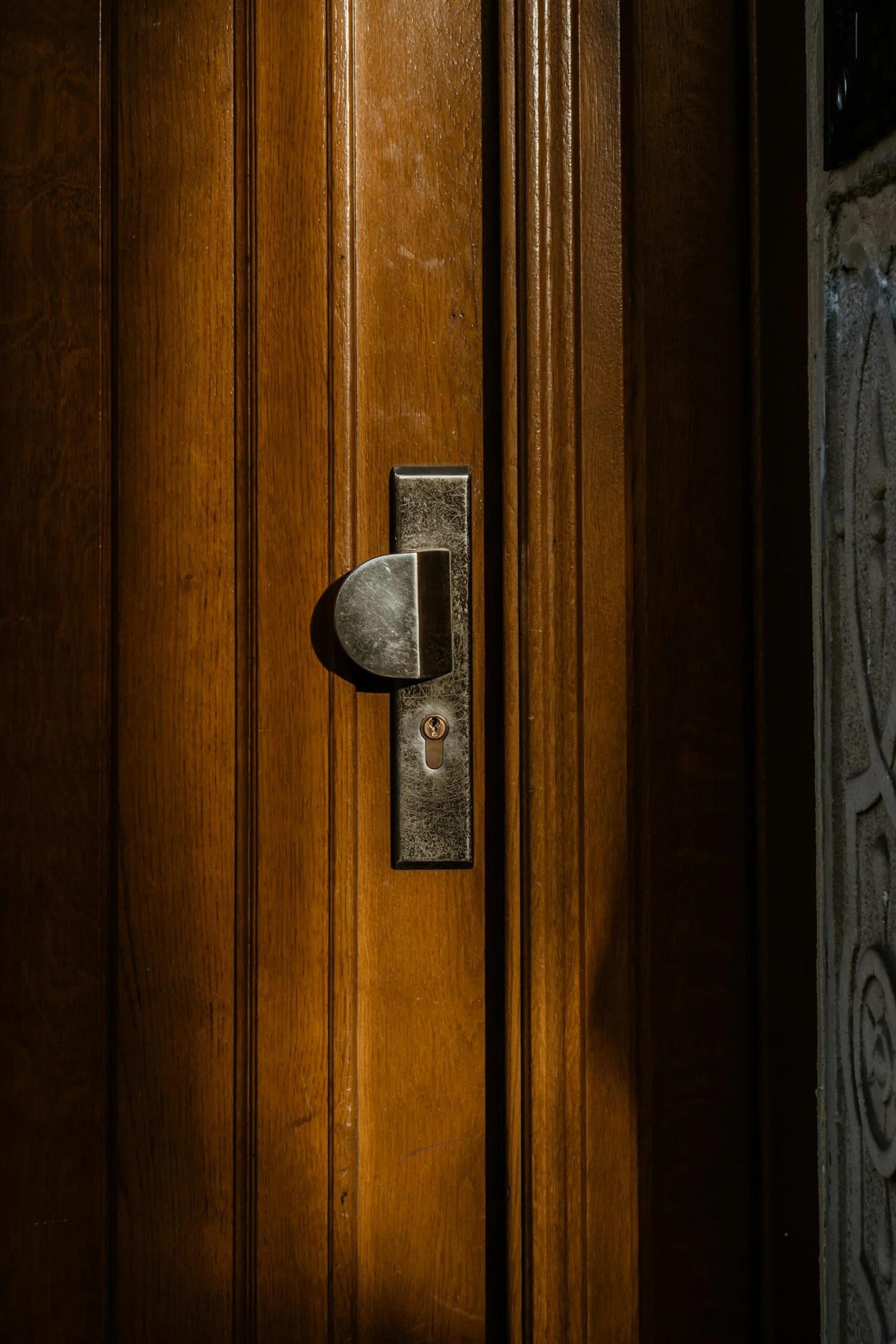
Interior doors not closing properly in an older St. Louis home usually point to one of a few causes: humidity-related wood movement, loose hinges, a misaligned latch, or changes around the door opening. At CTM Construction Services, we look at how the door moves and where it catches before deciding whether it needs a small hardware adjustment or a more involved carpentry repair.
A door that sticks in one spot doesn’t automatically mean the frame has shifted. Start by noticing when the problem occurs, where the door rubs, and whether other doors or nearby finishes have changed too. Those details can help distinguish a seasonal issue from a loose hinge or a larger change in the opening.
What to Check When Interior Doors Stop Closing
Close the door slowly and watch the gaps around its edges. A door that rubs at the top corner on the latch side may have dropped slightly. Contact along the upper edge or one side can point to a different fit issue. If the door closes but the latch misses the strike plate, the door may sit out of alignment even when it doesn’t rub.
Look at the hinge screws as well. Loose screws can let a door sag, especially if the door is heavy or sees frequent use. Check whether the hinge leaves sit flat against the door and frame. A hinge that moves when you open the door needs attention before you adjust the strike plate or remove material from the door.
A simple visual check can narrow down the problem:
- Does the door rub in one small area or along most of an edge?
- Does the latch line up with the strike plate?
- Do the hinges move or show loose screws?
- Does the problem come and go with the weather?
- Are nearby doors, windows, or wall finishes changing too?
Take note of what you see before making adjustments. A door that binds in one place may need a different repair than a door that sits crooked in the frame.
Seasonal Wood Movement Can Change the Fit
Wood responds to moisture in the surrounding air. The U.S. Forest Products Laboratory explains that wood can swell in more humid conditions and shrink in drier air. In a house, these changes are usually gradual, but they can affect a close-fitting door, particularly if the clearance was already tight. Read the Forest Products Laboratory’s guide to wood and moisture for more detail.
If a door becomes harder to close during humid weather and improves later, seasonal movement may be part of the issue. Check whether the door feels swollen or whether it simply rubs against one section of the jamb. Avoid planing or sanding the door right away. Removing wood during a humid period can leave an oversized gap when conditions change.
A door that sticks year-round, keeps getting worse, or shows new gaps around the frame deserves a closer inspection. Seasonal changes might explain the timing, but they don’t account for every cause.
Loose Hinges and a Misaligned Latch
A door can stop latching because its hinges have loosened or the strike plate no longer lines up with the latch. Open and close the door while watching the hinge side. If the door shifts or drops as it moves, check for loose screws, worn hinge pins, or damage where the hinges attach.
You can also turn the handle and ease the door toward the frame. If the latch hits the strike plate instead of entering its opening, note whether it strikes above, below, or beside the opening. That pattern gives a carpenter useful information about how the door sits.
Tightening a loose screw may solve a minor problem, but avoid forcing a screw into damaged wood or moving the strike plate before checking the door’s position. A quick adjustment can mask a sagging door without fixing what caused it.
The Door Frame May Have Changed
Older homes don’t always have perfectly level floors, square corners, or straight openings. A door can fit the frame as it was built, even if the surrounding walls and floor have small variations. Those conditions alone don’t mean there’s a structural problem.
Pay more attention when several things change at once. If multiple doors begin sticking, windows become difficult to open, or new cracks appear around openings, the pattern calls for broader evaluation before anyone trims the doors. The same is true if a gap widens quickly or the floor seems to slope more than it did before.
A door that has stuck for years in the same place may need a careful fit adjustment. One that suddenly binds along with other changes should be assessed in context.
Paint, Hardware, and Past Repairs Can Add Friction
Paint buildup around the edges can make an older door fit too tightly. This is common after several coats cover the door, jamb, or stop. Look for thick ridges, chipped paint, or a place where two painted surfaces seem to stick together. Don’t force the door open if paint has bonded the surfaces; pulling hard can tear the finish or damage the wood.
Hardware can also interfere. A loose knob, latch, or strike plate may prevent the door from closing cleanly. Previous repairs can create new problems if someone added shims unevenly, filled a gap without correcting the fit, or installed hardware that doesn’t match the existing door.
If the door has original woodwork, take care before replacing it. The door, casing, and surrounding trim often work together visually. Our custom carpentry services include doors and window casings, along with woodworking repairs and refinishing.
Choose the Repair After Finding the Cause
The right repair depends on what the inspection reveals. A loose hinge may need fastening into sound material. A latch that misses slightly may need a hardware adjustment. A door with built-up paint may need careful surface preparation. If the opening or frame has changed, trimming the door could leave a permanent gap without addressing the underlying issue.
Before anyone removes material, consider:
- Whether the door binds in dry weather, humid weather, or all year
- Whether the hinges and frame feel secure
- Whether the latch lines up with the strike plate
- Whether the door has thick paint or damage along its edges
- Whether other doors, windows, or nearby walls show changes
During a larger update, door fit should be considered alongside flooring, trim, and changes to the room. Our residential remodeling work includes flooring and trim upgrades, and planning those details together can prevent a repaired door from binding again after the surrounding finishes change.
When to Call a Carpenter
A basic hinge or latch issue may be straightforward to identify. Call a carpenter when the door continues to rub after simple checks, the frame appears damaged, earlier repairs haven’t lasted, or the door has details worth preserving. A carpenter can assess the door, jamb, hinges, and nearby woodwork together before recommending an adjustment or repair.
At CTM Construction Services, we work with St. Louis homeowners on custom carpentry and residential remodeling. If a door in your home won’t close or latch, contact our team to discuss what you’re seeing. Note where the door catches and whether the problem changes with the season; those details are a useful starting point for choosing the right repair.
Recent Posts
Can You Add a Bathroom Where There Is No Existing Plumbing?
OCTOBER 25, 2026
Can You Convert an Attic Into a Primary Suite in St. Louis?
OCTOBER 13, 2026
Why Are There Gaps Between My Crown Molding and Ceiling?
SEPTEMBER 28, 2026
How to Match New Trim to Existing Woodwork in a St. Louis Home
SEPTEMBER 15, 2026
How to Update a Home Without Making It Feel Too Trendy
AUGUST 25, 2026
Newsletter
Don't miss a thing!
Sign up to receive daily news